Mostrando entradas con la etiqueta Artículos. Mostrar todas las entradas

viernes, 15 de marzo de 2019

El lujo en un tomate

La reaparición del tomate silvestre es una reivindicación y una llamada a la cordura
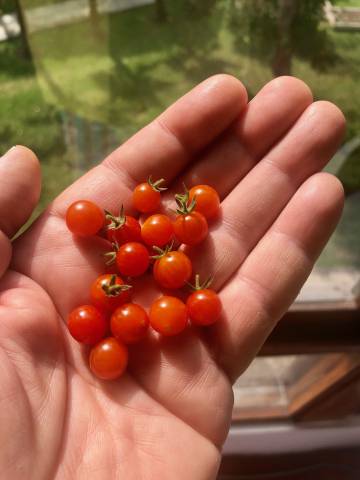
Unos tomates.
Unos tomates.
El tomate silvestre es una esfera casi perfecta, lisa, roja y diminuta, del tamaño de una perla chica, aunque se me antoja mucho más valioso que una joya convencional. Por lo pronto encierra el poder de la seducción. Te envuelve con su aroma arrastrándote a un tiempo en que a los tomates les llegaba su temporada, coincidiendo con el calor, y olían a lo que deben, que viene a ser a tomate. No es un detalle nimio, hace tiempo que dejó de ser una obviedad. La piel se resiste en la boca para acabar reventando con una explosión de jugo y sabor.

Es muchísimo más de lo que encuentro en las pocas variedades que dominan el paisaje en los mercados peruanos, pero esta solo es la parte más visible de su grandeza. Por si no fuera suficiente, estamos hablando de un prodigio de la agricultura andina tradicional que ha prosperado históricamente a lo largo de la cordillera andina, entre Ecuador y el norte de Chile, lo que incluye Bolivia y sobre todo Perú.

Los técnicos dicen que el minúsculo fruto de la Solanum pimpinellifolium está en el origen de la mayoría de los tomates cultivados. Si eso es cierto, la planta es la madre antecesora de los tomates cultivados. La primera vez que lo encontré, hace ya 12 años, lo habían secado en hornos solares y se presentaba envasado en tarros de cristal. Cultivo algunas plantas en mi terraza y me gusta pensar que algo tan chico dio vida a una historia tan grande como la del tomate. Desde esta perspectiva también es un superviviente; un minúsculo cofre que guarda la herencia genética de la especie.


Saray Siura, la ingeniera agrónoma responsable del Biohuerto Los Manantiales, y de unas cuantas cosas más en la Universidad Agraria de La Molina, me lo presentó hace tiempo como tomate silvestre peruano de costa. Lo cultiva, lo cuida, lo exhibe y lo vende desde hace años cada sábado de primavera y verano en su parada de la Bioferia de Miraflores, en Lima, y desde hace un par de temporadas ofrece plantones para difundir un cultivo que había caído hasta hace bien poco en el olvido, mientras impulsa su implantación en otros huertos de la zona. Es una activista de la recuperación del tomate originario. También es la impulsora de una corriente que pretende ponerle caras, antecedentes y consecuencias a lo que comemos. Detrás de cada producto hay una historia, un espacio en el ciclo natural y sobre todo unas personas que lo cultivan y lo acercan a la puerta de la cocina. El tomate silvestre también habla de eso.
 
La naturaleza de este pequeño fruto permite abrir muchos diálogos. El de la ausencia es uno de ellos. En la tierra a la que muchos adjudican el origen del tomate, este fruto silvestre nos habla de la desaparición de la inmensa mayoría de las variedades tradicionales y con ella de la perdida de una parte fundamental del patrimonio culinario del país. Perú y sus cocinas se vuelcan hoy en una variedad de tomate pera nacido en los años sesenta a miles de kilómetros de allí, en las huertas de California, para cumplir un papel muy diferente al que se le adjudica ahora. Creado como un instrumento de la nueva industria alimentaria, necesitada de un nuevo tipo de tomate capaz de satisfacer la descomunal demanda de las líneas de producción de salsas y precocinados, debía cumplir requisitos mínimos: un fruto más carnoso, con menos semillas y una piel gruesa y resistente que aguantara la recolección mecanizada. Las primeras secuelas fueron la pérdida del aroma y el sabor. Luego llegaría el fin de la temporalidad del cultivo.

Nadie sabe contar el camino que llevó el nuevo tomate californiano a las huertas peruanas, pero para mediados de los setenta la nueva planta monopolizaba los cultivos del país, provocando la práctica desaparición de las variedades tradicionales. Las encabezaba el Huando, un fruto tradicional redondo y perfumado del que apenas quedan noticias en algunas huertas aisladas repartidas por la selva amazónica y algunos valles interandinos. La reaparición del tomate silvestre es, además, una reivindicación y una llamada a la cordura.

https://elpais.com/elpais/2019/03/14/estilo/1552602861_135133.html 

domingo, 18 de junio de 2017

Mas del Lobista #1 - Zavala, ¡deroga el reglamento ya!


Claudia Cisneros
Lo que ha hecho Zavala y este gobierno es un atentado contra la salud de los peruanos. Resulta inaceptable que en medio del escándalo por el caso Pura Vida, el premier Zavala haya tenido el descaro de publicar un Reglamento BAMBEADO (de la Ley de Alimentación Saludable) que no protege al consumidor sino a los industriales.

La Ley 30021 de Promoción de la Alimentación Saludable para Niños, Niñas y Adolescentes fue aprobada el 17 de mayo de 2013 y desde entonces el Reglamento fue enterrado por el lobby industrial logrando que la ley no entrara en vigencia. Este gobierno (Zavala) sepultó el documento y solo ante el escándalo de Pura Vida se apresuró a aprobarlo. Pero lo que ha hecho Zavala es una gran burla contra el pueblo peruano, porque la norma que ha aprobado no contiene las recomendaciones de las instituciones mundiales especialistas en la salud (OMS y OPS).

El Reglamento bamba legaliza unos parámetros perjudiciales para la salud y legaliza el veneno lento que nos quieren vender como inocuo.
Por ejemplo, mientras que para el caso de alimentos sólidos las recomendaciones de la Organización Mundial de la Salud (OMS) consideran como excesivo el contenido de azúcar cuando este supera 5g por cada 100g, el Reglamento bamba de Zavala señala como producto alto en azúcar (en galletas, queques y bizcochos) cuando supere los 22.5g por cada 100g, es decir, casi cinco veces más de lo recomendado a nivel internacional. Y no solo eso, en un segundo tramo a favor de los industriales, se les permitirá considerar 10 g de azúcar por cada 100 g como si no fuera alto. Increíble, el doble de lo que recomiendan los organismos de salud mundial.

¡Nos quieren enfermar legalmente!

En el caso de las bebidas, los expertos y científicos dicen que es alto el contenido cuando el azúcar es más de 2.5 g por cada 100 ml del producto. El Reglamento bamba de Zavala dice que solo se considerará alto a partir de 6g por cada 100ml, es decir, más del doble de lo que recomiendan como máximo los organismos de salud. Y para beneficiar a los industriales aun más, el documento dice que en el segundo tramo ni siquiera se considerará alto en azúcar si es de 5g por cada 100ml, o sea, el doble de lo recomendado a nivel mundial!

Nos quieren matar de a pocos!

Con este Reglamento bamba lo que se hace es legalizar los productos chatarra, altos en azúcar y grasas. Los industriales tendrán permiso del Estado para etiquetar sus productos como saludables y excederse en todos los límites planteados por los organismos internacionales de la salud y la ciencia que los respalda.
Además, esta norma omite algo que está regulado en la propia Ley 30021 (Artículo 10º) y que obliga a los industriales a poner en su etiqueta o publicidad: “ALTO EN AZÚCAR, EVITAR SU CONSUMO EXCESIVO”. “GRASAS TRANS, EVITAR SU CONSUMO EXCESIVO”. El Reglamento bamba ha quitado la frase “Evitar su consumo excesivo”.

También se ha introducido algo que nunca estuvo en la Ley: la aprobación de un MANUAL. Si los parámetros son mundiales y los usan todos los países desarrollados que cuidan a sus ciudadanos, ¿qué sentido tiene que se condicionen a un manual? Encima le dan hasta 39 meses (más de tres años a partir de la aprobación del tal manual) a los industriales para que sinceren sus etiquetas. ¡Increíble abuso! O sea, sabemos que nos engañan ¿y por tres años debemos esperar a que sinceren?
¿Cómo quieren trasladarle al ciudadano la responsabilidad de informarse cuando el gobierno está legalizando el engaño?

En un país con más de 25% de sobrepeso y obesidad en niños y niñas entre los 5 y 9 años y de 62% en adultos (MINSA, 2014), es decir, uno de cada cuatro niños y tres de cada cinco adultos tienen exceso de peso y su salud seriamente afectada, convirtiéndolos en potenciales pacientes diabéticos, hipertensos, cardiacos y otras patologías. Además de futura sobrecarga de enfermos para el sistema de salud pública, es un crimen que se avale esto desde el Estado.

El objetivo de esta Ley ni siquiera es prohibir los productos basura que tienen exceso de azúcar, sodio, grasas saturadas y grasas trans, sino que la información para los consumidores sea transparente y entendible, pero sobre todo confiable. Y con este Reglamento bamba de Zavala se logró todo lo contrario. Este documento es un atentado contra la salud de niños y adultos, debe ser derogado ya y aprobarse uno con los parámetros internacionales de salud. Son gobierno para velar por intereses de la gente, no de los grupos de poder, menos a costa de nuestra salud ¡Basta de abusos!

http://larepublica.pe/impresa/opinion/886969-zavala-deroga-el-reglamento-ya

domingo, 11 de junio de 2017

Alimentos Ultraprocesados


Claudia Cisneros
Hace tiempo que nos engañan. La gente empieza a darse cuenta. Pero si de verdad quieren enterarse qué basura nos venden como alimento: sospeche de todos los productos industriales (https://goo.gl/qMZTy5), de todos lo comestible envasado en grandes fábricas: galletas, chocolates, jugos, leches, papitas, chizitos, hotdogs, embutidos, enlatados, etc. Porque todo lo envasado está lleno de químicos: saborizantes, colorantes y preservantes. Preservantes para que el producto dure más desde que sale de la fábrica y transita la cadena comercial hasta llegar al quiosco, tienda, ambulante o mercado donde lo compras.

Colorantes y saborizantes para que tenga el mejor gusto al paladar. La ciencia es una herramienta útil para mejorar la calidad de vida, pero algunas instancias de la ciencia también han sido penetradas por la corrupción. Las industrias les pagan a científicos para dar con la fórmula de los saborizantes más adictivos a nuestras papilas. Hay toda una industria paralela de perversos científicos que por dinero subordinan la salud de la gente con tal de complacer a la industria y sus socios en el engaño, los publicistas.

Pocos saben, por ejemplo, que hacia 1960, la industria del azúcar pagó a tres científicos de Harvard para que relativizaran el daño que causaba el azúcar en la salud humana. Su investigación se publicó en un importante Journal médico y tuvo una gran influencia en las recomendaciones sobre nutrición en las siguientes décadas, en EEUU y el mundo.
Pero también hay muchas investigaciones que nos advierten. El año pasado se supo que aditivos comunes de alimentos producen cáncer de colon en ratones https://goo.gl/RGMPax o que un estudio grande encontró relación entre las bebidas dietéticas (aspartamo o sacarina), la demencia y los accidentes cerebrales https://goo.gl/jN6UdS.

En el Perú la industria de alimentos lleva años presionando para evitar la vigencia de la Ley de Alimentación Saludable. Tienen aguantada la reglamentación. Recuerdo que, cuando en 2012 se empezó a discutir públicamente el Proyecto de Ley 30021, Diresa indicaba que el 22% de niños entre 5 y 12 años tenían obesidad y 23%, sobrepeso; lo mismo con el 51% de jóvenes. La OPS (Organización Panamericana de la Salud) inició una campaña porque los índices en la región eran alarmantes. Yo trabajaba en Canal 5, donde se invitó a “debatir” a Alejandro Daly, de la Sociedad Nacional de Industria (SNI) y a una supuesta nutricionista independiente, Milagros Agurto. Fue vergonzoso ver cómo Agurto había sido contratada por la SNI y defendían lo mismo.

Como se ve en la entrevista https://goo.gl/zgWW35, quedaron iracundos ante mis preguntas y acotaciones informadas. Ambos se quejaron a la gerencia del canal y Anchorena (gerente comercial) me llamó a su oficina para decirme que había llegado una queja formal de la SNI que ponía en riesgo a anunciantes del canal. Le respondí que a mí me habían contratado para hacer periodismo, no para conseguir auspicios. Y que si me demostraba que yo había errado en la información, okey, pero que no pidiera que yo hiciera su trabajo, que el mío era informar con veracidad.

Pese al lobby, la Ley 30021 fue aprobada por Humala tres días antes de acabar su gobierno (no se atrevió antes) pero el reglamento quedó pendiente y Zavala lo tiene secuestrado hasta hoy, favoreciendo a industriales y perjudicando a peruanos. Los industriales y sus defensores (como Heresi) tienen el desparpajo de aducir que el reglamento no está bien, pero esa gran mentira fue desmentida por el Colegio de Nutricionistas. Los industriales presionan porque la ley los obligará a decirnos qué porquerías y mentiras disfrazan en sus etiquetas y publicidad.

Mientras tanto, es simple: dejen de comprar basura ultraprocesada por ahorrarse tiempo o plata. Les saldrá más caro en cuentas médicas cuando tengan presión alta, diabetes, cáncer. Cambiar de hábito no es fácil, pero es lo que nos asegura mejor vida. Mientras menos intervenido químicamente el producto, es más natural. Mientras más cantidad de ingredientes que no entiendes tenga la etiqueta, más químicos tiene. Mientras más dure un producto sin estropearse fuera del refrigerador, más preservantes tiene. Que no nos vengan con el cuento de la libertad económica, que esta no puede estar por encima de la salud y la información oportuna, entendible y transparente para una libre elección.

http://larepublica.pe/impresa/opinion/884790-alimentos-ultraprocesados

martes, 2 de mayo de 2017

El plan para la reconstrucción nacional con cambios

Por: Jorge Baca Campodónico

Economista Principal de MAXIMIXE
El Congreso esta semana aprobó con ciertas modificaciones la ley para la Reconstrucción Nacional con Cambios (RCC). La ley aprobada no explicita “el plan” de reconstrucción, sino que plantea que éste sea elaborado por “la Autoridad” para la reconstrucción con cambios (ARCC) y aprobado por el Consejo de Ministros. De acuerdo a las declaraciones del presidente de la república, el plan no debe contemplar simplemente la reconstrucción de la infraestructura destruida sino mirar al futuro para que los impactos de los fenómenos de El Niño no se repitan. Es decir, que el desastre del fenómeno de El Niño Costero no debe ser visto como una tragedia sino como una oportunidad para construir un país moderno.

Lamentablemente, las necesidades apremiantes de la reconstrucción han motivado que el Congreso otorgue al ejecutivo carta blanca para la elaboración del plan que en principio debería requerir de un debate nacional ya que se está definiendo lo que será el país en los próximos 30 o 50 años. En esta entrega presentamos algunos aportes para que el plan no sea meramente un listado de la infraestructura a reponer, sino que sea un plan para construir un país moderno.

Los mayores daños causados por el Niño Costero se han dado en la infraestructura de riego del sector agricultura. Miles de bocatomas, canales, diques, reservorios, acequias y compuertas han sido destruidas. La no reparación oportuna de esta infraestructura impedirá la distribución del agua a las parcelas irrigadas y por lo tanto imposibilitará las cosechas futuras. También sabemos que el sector agropecuario ostenta la productividad más baja de todos los sectores de la economía.

Una forma de medir la productividad de un sector es la productividad laboral que nos dice cuantos miles de soles produce un trabajador (PBI/número de trabajadores). En el Gráfico 1 se presenta la evolución de las productividades laborales de los sectores agricultura y minería. Constatamos que si bien la productividad del agro ha venido incrementándose aún es 50 veces menor que la productividad del sector minero.


¿A qué se debe esta abismal diferencia en las productividades de los sectores agropecuario y minero? Las principales causas son la falta de inversión y la falta de educación en el sector agropecuario. El sector minero hace uso intensivo del capital posibilitando una alta productividad del factor trabajo. El sector agricultura no ha realizado inversiones masivas para mejorar el capital existente. El uso de la micro irrigación es incipiente y se da mayormente en los nuevos proyectos de irrigación (Chavimochic, Olmos, etc.). La gran mayoría de la tierra agrícola que no depende de la lluvia aún utiliza la técnica de inundación como método de riego. Las mejoras en productividad registradas en los últimos 20 años por el sector agropecuario se han debido mayormente a la incorporación de nuevas tierras con técnicas avanzadas de irrigación y a tímidas actividades de extensión agropecuaria traducidos en programas como Sierra Productiva y Sierra Exportadora.

Lo que el Perú requiere es una verdadera Revolución Verde que eleve la productividad laboral del sector agropecuario de los actuales 6.700 a 67.000 S/ de 2007. ¿Cómo hacer una realidad un aumento de 10 veces de la productividad? La solución pasa por un cambio radical de los sistemas de distribución de agua en cada una de las 159 cuencas con las que cuenta el país. Este cambio radical debe permitir aumentar la frontera agrícola, masificar la forestación de las zonas altas de las cuencas y promover la generalización del uso de la micro irrigación.

El actual sistema de distribución consistente en reservorios, bocatomas, compuertas, canales y acequias sumados al sistema de riego por inundación tiene una eficiencia inferior al 35%. Es decir, por cada 100 litros de agua disponible en el origen de la cuenca sólo se llegan a aprovechar efectivamente 35 litros o menos. La ineficiencia ocurre por la evaporación del agua en los canales de distribución, por las pérdidas por filtraciones en los canales (especialmente los canales que no son revestidos de cemento) y por la ineficiencia del método de riego por inundación comparado con técnicas de micro riego (aspersión, riego por goteo, etc.). Hay que adicionar las perdidas asociadas a este sistema de distribución como son el robo frecuente del agua, la no disponibilidad continua del agua (asignación por horas), pérdida de tierra agrícola para los canales, necesidad de puentes para tránsito, etc.

Todo lo anterior se podría solucionar utilizando un sistema de tuberías de plástico de alta densidad (HDPE, por sus siglas en inglés) bajo tierra, que posibilitarían un uso racional y eficiente del recurso escaso como es el agua. Los resultados que se tienen de países que utilizan este método de distribución como Israel, India, EUA, Canadá y muchos países árabes, indican que si el sistema de distribución por tuberías es utilizado en conjunción con el sistema de micro irrigación la eficiencia del sistema es superior al 80%. En otras palabras, la introducción del sistema de distribución por tuberías permitiría teóricamente más que duplicar la frontera agrícola.

Los sistemas de distribución de agua por tuberías (PDS, por sus siglas en inglés) además de ser más eficientes, permiten distribuir el agua al usuario final en forma presurizada abaratando la instalación de los sistemas de micro irrigación y reducen significativamente los robos y garantizan una disponibilidad a presión constante las 24 horas del día. El uso de válvulas de control y sensores controlados por telemetría facilitan la administración racional del uso del agua en toda la cuenca no sólo para fines agrícolas sino para otros fines. Su instalación es rápida y se presta para la creación de concesiones por cuenca de los recursos hídricos.

El desastre causado por el fenómeno de El Niño Costero en la infraestructura agropecuaria presenta una oportunidad única para transformar un sistema de distribución de agua obsoleto, como es el de distribución por canales e irrigación por inundación, por una de mayor eficiencia y fácil administración como es el sistema de distribución por tuberías y micro irrigación.
La introducción de un sistema de tuberías conjuntamente con una política masiva de forestación de las zonas altas de las cuencas y uso de micro irrigación permitiría un crecimiento anual del PBI agropecuario de 15% anual por un periodo de 20 a 30 años. El crecimiento del PBI agropecuario y su impacto indirecto en la economía permitiría agregar entre 1 a 2 puntos porcentuales el crecimiento anual del PBI total.

Corresponde a la ARCC la elaboración del plan de reconstrucción en coordinación con las regiones, gobiernos locales y los ministerios de Economía y Finanzas, Transportes y Comunicaciones, Agricultura y Riego y Vivienda, Construcción y Saneamiento. Esperemos que en la elaboración del plan no primen los intereses sectoriales y que prime el criterio técnico por cuenca en el que el uso racional y eficiente del agua sea el objetivo que permita convertir el actual sector agropecuario en un sector moderno y motor de la economía en el que el impacto de los fenómenos de El Niño sea una cosa del pasado.

http://alertaeconomica.com/el-plan-para-la-reconstruccion-nacional-con-cambios/

domingo, 22 de abril de 2012

75% de producción de cacao en el Perú es extranjero, clonado y de baja calidad


Preocupante. Mariella Balbi Barbis, experta en el tema, sostiene que solo el 25% de la producción es nativa.
 
Riqueza. Semillas de cacao en proceso de secado. 

Isabel Carreño Girio

El cacao fue declarado por el Ministerio de Agricultura (Minag) Patrimonio Natural de la Nación, un gran reconocimiento para este producto de bandera. No obstante, una experta consultada alerta de que solo el 25% de la producción nacional es nativa y de alta calidad.
"Todo esfuerzo para salvar y darle la importancia que tiene nuestro cacao nativo es fundamental. Pero en este momento, el 75% de la producción de cacao en el Perú es cacao extranjero y clonado, de baja calidad", precisó la experta en chocolatería Mariella Balbi Barbis.

El Perú es uno de los principales centros de origen del cacao con una alta diversidad y variabilidad genética, como por ejemplo cacao chuncho (en vías de desaparecer), porcelana de Piura y nacional del Perú.
Balbi Barbis señala que estas clases de cacao nativo lamentablemente no representa más del 10% de la producción total de este fruto.
"Piura solo produce 200 toneladas de cacao blanco. El cacao chuncho está casi en extinción. El cacao que se produce en el Vrae es clonado, de baja calidad. Este reconocimiento es un avance, pero se debe trabajar en la recuperación de las variedades nativas", demandó. Insistió en que la producción del cacao corriente no genera rentabilidad para los agricultores.

En el 2011, la producción de este fruto alcanzó las 56,5 mil toneladas, lo cual generó 5,7 millones de jornales. Se estima que en este año la producción crecerá entre 15% y 16%.
El Minag también creó el Registro Nacional de Cultivadores de Cacao Peruano (RNCCP), del que estará a cargo el Instituto Nacional de Investigación Agraria (INIA). Ello con el objetivo de que se inscriban las diferentes variedades de cacao basado en los indicadores genéticos, morfológicos, etc.

La Republica

sábado, 8 de enero de 2011

Rows over GM crops - Seed of change

America may shift its policy on genetically modified crops


Spot the difference
EUROPEANS are notoriously squeamish about genetically modified (GM) crops. In America, however, they reign supreme. Since farmers first planted GM soya in 1996, engineered crops have steadily conquered America’s vast farmland. Last year 93% of cotton and soya acres contained genetically engineered crops, as did 86% of corn acres. In the past the Agriculture Department (USDA) has placed relatively meagre limits on this expansion. This month, however, that may change.
Alfalfa, that humble feedstuff, is at the heart of an intense debate. The USDA will soon decide how to regulate Roundup Ready alfalfa, engineered by Monsanto to resist a chemical used to kill weeds. The department may allow GM alfalfa but, for the first time, set strict rules on the extent of planting allowed. This could be a model for the future, the biggest policy change for GM crops since their introduction. Tom Vilsack, the agriculture secretary, says that the issue is not whether GM alfalfa is safe—the USDA maintains that it is. Rather, the question is how regulations might help engineered crops exist beside conventional and organic ones. It is a fraught endeavour.
The rule on alfalfa aims to ease growing trouble, on the fields and in court. America’s farms have seen two divergent trends over the past 15 years: the rise of GM crops and, on a smaller scale, an expanding market for organic products. Theirs is not a peaceful relationship. Wind has an unfortunate tendency to blow GM seed into organic fields. Farmers, like all good Americans, are stubborn and litigious. Lawsuits about contaminated fields have moved through the courts. One such case concerns GM alfalfa.
In 2005 the USDA approved Roundup Ready alfalfa. Opponents of GM crops filed a lawsuit soon after and, in 2007, a federal judge ordered the USDA to conduct a more lengthy review. After publishing a draft report in 2009 and receiving some 244,000 comments, the USDA issued its final report on December 16th. The department presented two preferred options. First, it may allow GM alfalfa to be grown freely, like GM corn or soya. In the second choice, it would approve planting with rules to prevent the contamination of non-GM crops. For example, five miles (8km) would have to separate GM alfalfa from conventional or organic alfalfa fields. The USDA will receive comments on the plan until January 24th. A decision is expected soon after, so that farmers can prepare for spring planting.
A frenzy of activity has followed December’s report, with Mr Vilsack encouraging further discussion among farm groups. At a meeting at the USDA on December 20th, organic advocates demanded more, such as compensation for farmers whose crops are contaminated. Big farm associations were horrified—by the proposed rule and by the meeting itself. “What the USDA did on December 20th was akin to the European process,” shudders Russell Williams of the American Farm Bureau Federation. Mr Williams fears that the rule on alfalfa augurs further limits on GM crops.
Mr Vilsack insists that his department does not prefer one type of farming over another. Rather, he wants to help them coexist more peacefully. Without any action, Mr Vilsack argues, courts will dictate the future of GM, organic and conventional crops. (In August a court halted planting of GM beets pending a review, and another lawsuit aims to stop GM eucalyptus trees.) Mr Vilsack’s course will not be smooth. Opponents of GM crops sued the department over its original decision on alfalfa. Now GM advocates may sue the department over its new one.
Economist

viernes, 31 de julio de 2009

Sludge in the Garden

New homes are full of questions and possibilities. What color to paint the walls? How to arrange the furniture? What to plant in the garden? The Obama family must have asked a lot of those same questions when they moved into the White House. However, the first lady's dreams of growing an organic vegetable garden have been dragged down by a previous resident that refuses to leave: sludge.

Various sources within the Buzz are reporting that Michelle Obama's "organic" garden has been besieged by icky goo in the ground. As a result, the veggies aren't quite what the first lady had in mind. According to Daily Finance, the National Park Service tested the soil in the vegetable patch and found "highly elevated levels of lead" due to sewage used as fertilizer.

So the question is: Who to blame? While dumping sewage into the ground sounds like a crime worthy of Mr. Burns from "The Simpsons," the actual perpetrators were none other than the Clintons. Yep, back when Bill and Hillary were living it up in the White House, their gardening team used "sewage sludge for fertilizer." The fiends!

Sounds gross, but it's actually fairly common. However, it does mean that the highly touted "organic garden" will never "attain organic status." The certification process doesn't allow "the use of sludge as a fertilizer substitute." And there's another problem: If Malia and Sasha weren't into eating their veggies before, it's going to be that much harder to get 'em to eat 'em now.

Y! Buzz

martes, 2 de junio de 2009

Wal-Mart's Organic Offensive

.
Not everyone is pleased by the giant retailer's push into natural foods, starting with some very anxious U.S farmers


Richard DeWilde has a long history with organic farming. His grandfather, Nick Hoogshagen, adopted the organic approach five decades ago on his farm in South Dakota, well before it became popular with consumers and fueled the popularity of retailers like Whole Foods Market (WFMI ).


Now, DeWilde, 57, is a working farmer himself, carrying on the family tradition of avoiding pesticides and other chemicals that can contaminate food in favor of a more natural approach. He's co-owner of Harmony Valley Farm, which grows Swiss chard, parsnips, turnips, and kale on 100 acres in the southwestern corner of Wisconsin.

So you might think that DeWilde would be overjoyed at the news that Wal-Mart (WMT) has finally come around to his grandfather's philosophy. The juggernaut retailer said recently that it plans to double its offerings of organic products, including produce, dairy, and dry goods.

But DeWilde isn't thrilled. Instead, he's dismayed at the prospect of Wal-Mart becoming a player in the organic market. He fears that the company will use its market strength to drive down prices and hurt U.S. farmers. "Wal-Mart has the reputation of beating up on its suppliers," says DeWilde. "I certainly don't see 'selling at a lower price' as an opportunity."

CHINESE FOOD. He's hardly the only one. Many farmers who have benefited from the strong demand and healthy margins for organic goods are fretting that the market's newfound success also brings with it newfound risks. As large companies enter the market, from Kraft (KFT ) and Dean Foods (DF ) to Wal-Mart, farmers worry that the corporatization of organic foods could have negative consequences.

Large corporations have taken sizeable steps into the organic market, even if it isn't always obvious from the brands on store shelves. Silk, the best-selling branded soy milk, is a product from Dean Foods, the $10 billion behemoth that sells the most milk in the country. Cascadian Farms, which makes organic cereal, frozen fruits, and other products, is a brand of cereal giant General Mills (GIS ). And Kraft owns Boca Burgers.

The farmers' concerns go beyond simply pushing down prices. DeWilde and others fear that companies like Wal-Mart could try to lower the standards for what is classified as organic food and begin to import more supplies from China and other overseas markets. "Wal-Mart already sources a majority of its products from China, because it's so cheap to produce anything there. Why not foods?" asks Ronnie Cummins, director of the Organic Consumers Assn., a nonprofit organization that promotes natural and organic food.

SHIFTING STANDARDS. The worries that the corporatization of organics could lead to more imports aren't unfounded. Cummins estimates that already 10% of organic foods like meat and citrus are imported into the U.S. Silk soy milk, for instance, is made from organic soybeans that are bought in China and Brazil, where prices tend to be substantially lower than in the U. S. Cascadian Farms buys its organic fruits and vegetables from China and Mexico, among other countries (see BW Online, 3/27/06, "Imports From China Aren't Pricier -- Yet").

And large companies have tried to use their muscle in Washington to their advantage. Last fall, the Organic Trade Assn., which represents corporations like Kraft, Dole, and Dean Foods, lobbied to attach a rider to the 2006 Agricultural Appropriations Bill that would weaken the nation's organic food standards by allowing certain synthetic food substances in the preparation, processing, and packaging of organic foods. That sparked outrage from organic activists. Nevertheless, the bill passed into law in November, and the new standards will go into effect later this year.

Organic farmers are straining to meet rising demand, one of the reasons that legislators have been willing to drop certain requirements for organic foods. In the past year, the demand for organic milk outstripped the supply by 10% and created acute shortages. That even prompted organic dairy company Stonyfield Farms to stop producing its fat-free 32-ounce cups of yogurt. Now Stonyfield has resumed its production, but organic milk consumption nationwide is growing 30% annually.

Wal-Mart is making its aggressive move into organics at the same time it's trying to improve its environmental image. Last year, it embarked on a new green policy and has several initiatives to demonstrate how serious it is. The company recently said that it will require that all its wild-caught fresh and frozen fish meet the Marine Stewardship Council's standard for sustainable and well-managed fisheries. Fish accounts for a third of all the chain's seafood sales.

AFFORDABLE ORGANICS. While Wal-Mart didn't return phone calls seeking comment, CEO Lee Scott has been clear about his company's goals. "We know that customers at all ends of the income spectrum want organic and natural foods," he said at the company's last annual general meeting.

"But, frankly, most of them just can't afford the high prices the specialty stores charge.Well, we don't think you should have to have a lot of money to feed your family organic foods" (see BW Online, 11/29/05, "Selling Luxury to the Masses").

CEO Scott recently bragged about stocking organic cotton yoga outfits at its Sam's Club division. "We sold out in just 10 weeks...by using organic cotton instead of regular cotton, we saved the equivalent of two jumbo jets of pesticides," says Scott.

Scott is also determined to get affluent customers to spend more when they come in to buy basics like detergent at Wal-Mart. And what better way to lure them than with a range of organic produce. After all, organic foods purveyor Whole Foods typically attracts shoppers who have incomes over $50,000, while Wal-Mart's customers typically earn around $35,000 (see BW, 10/24/05, "Eating Too Fast at Whole Foods").

"CREATING MARKETS." While some farmers are concerned that Wal-Mart may try to squeeze them financially, there could be a more benign impact. Farmers who now use pesticides and other chemicals could turn to organic farming, as they see increased demand. Consider what's happening in California.

Last year, the state showed an increase of 40,000 acres, or 27%, in organic livestock production. The number of acres dedicated to organic vegetable production increased by 5,000 acres, or 12%, according to the California Certified Organic Farmers, an organics trade association. "Strong demand is creating markets here," says Jake Lewin, director of marketing at the organization.

Meanwhile, back in Wisconsin, DeWilde is preparing for warmer weather and the spring planting season. He is worried about how the increasing attention from Wal-Mart and other large companies may change the business of organic foods. Yet he's more convinced than ever of the benefits of the approach his grandfather helped champion. "It's the future of farming," he says.

Enlace-Link
.

domingo, 17 de mayo de 2009

Organic Food - BBC

Most farming relies heavily on artificial chemical fertilizers and pesticides. Around 350 pesticides are permitted, and it's estimated that 4.5billion litres of them are used annually. While there are Government rules about accepted levels of pesticide residues in our food, there can be concerns about their long-term effect. Agrochemicals and artificial fertilizers can harm the environment too.

Organic agriculture is carried out to a set of legally defined standards. Producers then pay to have their produce monitored and certified by one of several organic organisations, of which the Bristol-based Soil Association is by far the largest in the UK.

Organic farming strictly limits the use of artificial chemical fertilizers or pesticides. Antibiotics for animals are kept to an absolute minimum. Instead it emphasises farming methods such as crop rotation to keep the soil healthy and natural pest-control systems. Genetically modified crops are forbidden. Organic bodies also demand more space for animals and higher welfare standards.

All UK organic food is certified to the baseline standards set by the European Union Organic Regulations 2004. In addition to these, the various organic control bodies in the UK set their own requirements. There are a number of organic control bodies in the UK. Some aim to set standards higher than the basic requirements, while others require only the basic EU standards for certification.

The Soil Association is the largest and best-known organic control body in the UK. It campaigns on behalf of the organic movement, tends to emphasise integrated farming, crop rotation and biodiversity more than some others and aims to set standards for animal welfare and environment that go beyond the basic organic standards. It has particularly rigorous requirements for poultry. Soil Association-certified laying hens have lower stocking densities; they and meat chickens are kept in smaller flocks and have more space indoors and out than others. The standards of all organic control bodies in the UK are available on the Defra website.

Organically produced meat may come from animals given some non-organic feed, however, and antibiotics are not altogether banned from organic farms. But buying food that is certified as organic or biodynamically produced, whatever the logo, can give consumers the reassurance that higher welfare and environmental standards are at least being pursued. If you really want to know how food was produced, though, there’s no substitute for buying your produce direct from the farm.

The Food Standards Agency (FSA) takes the position that there is not enough scientific evidence to claim that organic food is safer or more nutritious than conventionally produced food. Government ministers have followed suit by describing buying organic food as a 'lifestyle' choice. Given that most people don't eat enough fruit and vegetables, the logic goes, it's important they are not put off eating more by believing conventional produce isn't healthy.

The FSA continually reviews the latest research to make sure its advice is based on the most up-to-date science. Results of a much-reported £12-million EU study examining the nutritional value of organically produced compared with conventionally farmed food, were released in October 2007. This four-year farming experiment took place in the north-east of England at Newcastle University. Initial results suggested that organic potatoes, kiwi fruit and carrots contained up to 40 per cent more antioxidants such as vitamin C than conventionally farmed, while organically farmed lettuce, spinach and cabbage also had higher levels of minerals and antioxidants.

Cattle were also reared on the farm at which the study was undertaken. Early results suggested that the organic milk was found to contain 60 per cent more antioxidants and omega-3 fatty acids than ordinary milk contains.

However, the Newcastle University paper has not yet been peer-reviewed and the study also showed that there were significant variations regarding micronutrient levels in foods. What's more, the health benefits of anti-oxidants is also a topic of current scientific debate. More research is needed in this area before conclusions can be drawn.

Sales of organic food in the UK had been performing remarkably well until the recession. The Soil Association’s Organic Market Report 2009 showed that sales of organic food grew by only 1.7 per cent in 2008, following more than a decade of sustained growth in this area. This modest level of growth is in sharp contrast to the 22 per cent increase in sales reported in the Soil Association's previous report, in 2007. In 2008, British consumers spent more than £2.1 billion on organic food, compared with just under £2 billion in 2006.

The 2007 report showed that more people were bypassing the shops and getting their organic fruit and vegetables from box schemes, mail-order or straight from the farm. These direct sales went up by 53 per cent from £95 million in 2005 to £146 million in 2006. After sales rose to £560 million in 2007, they all but levelled off in 2008, rising only 1.4 per cent to £568 million. This plateau was explained by the economic upheaval the country suffered at the end of 2008. However, the 2009 report suggests that instead of breaking their commitment to organic food, shoppers were switching to the organic produce sold in supermarkets in order to reduce costs. Sales of produce from farmers' markets proved the exception to the rule, increasing by 18.6 per cent in 2008 to £23.7 million.

In general, since the financial shocks of late 2008 and the subsequent belt-tightening, sales of organic food have slumped. According to research by IGD, an independent organisation representing grocery distributors, the proportion of UK shoppers who say they buy organic food in 2009 has dropped to 19 per cent from 24 per cent in 2008. Joanne Denney-Finch, IGD’s chief executive says, “We believe this [drop] is partly due to a swing towards other ethical options, and it is mainly among more casual organic shoppers. A strong core of dedicated organic shoppers remains.” In the same report, shoppers said they remain committed to buying Fairtrade produce.

More farmers have been converting to organic, a process that can take three years. In January 2007, there were 4,639 organic producers in the UK, representing an annual increase of seven per cent. Organic holdings represented approximately 3.9 per cent of all farms in the UK. However, since the recession, many farmers are finding organic farming to be increasingly difficult in the face of increased costs. In 2008, the total number of organic farms had risen to 4,955, a slightly lower rate of increase compared to the previous year.

Organic farming is less harmful to the environment, because balance and biodiversity are encouraged. Without herbicides and pesticides wildlife can flourish, and there are no potentially polluting chemicals. Because it does not rely on agrochemicals and artificial fertilizers, which use fossil fuel in their production, organic farming has a lower carbon footprint than conventional agriculture, typically using 27 per cent less energy, according to Government findings.

However, consumers of organic produce surveyed in the Soil Association’s Organic Market Report 2009 rated the lower environmental impact of organic food as the least compelling reason to buy it. They valued factors such as quality and taste and high animal welfare standards more highly than the benefit of organic food to the environment.

Only five years ago 70 per cent of the organic food bought in the UK was imported. Now imports account for only 30 per cent of the organic market and much of that is exotic produce such as chocolate, bananas, tea and coffee, which can't be grown in the UK. Organic vegetable box schemes have been an important driver of organic food's success in the UK.

Because of concerns about how food production and transport contribute to global warning, air-freighting has been under scrutiny. The Soil Association calculates that although less than one per cent of all imported organic food is air-freighted the climate change impact caused by organic food should be minimised. Without banning air-freighting, its 2008 consultation paper stated that only air-freighted organic food that meets the Soil Association's own Ethical Trade or the Fairtrade Foundation's standards would earn its approval in future.

Crops grown organically are more vulnerable to pests and disease. It is also more labour intensive and farmers pay more for organic animal feed. Because organic food costs more to produce, it's more expensive for consumers to buy. But Government subsidies have focused on mainstream farming, keeping the price of conventional foods low in comparison.


Organic vegetable box

With pressure on our food supplies coming from the demand for bio-fuels, worldwide there is a shortage of cereal. The UK has to import more than 50 per cent of organic livestock feed, and feed prices have been going up. That in turn affects the price farmers have to charge for meat, milk, eggs and bread, whether organic or not.

Buying locally produced organic food direct via a box scheme or farmers' market is a 'greener' way to shop and is better value. It can be argued that there are hidden costs in conventional, chemical-dependent farming. We pay to tackle the pollution of our water supplies, caused by artificial fertilizers, at a cost of about £120m a year, through our taxes and higher water bills rather than at the checkout.

The jury is out on whether organic food tastes better. Organic chickens live longer than battery chickens and the taste is incomparable. Organic chickens also live longer than most free-range birds although there is arguably little or no difference in flavour and quality.

But food that isn't certified as organic can also be produced to equally high standards with taste as a priority. For example, top quality grass-fed and free-range beef might not be certified as organic because of the expense and inconvenience involved in ensuring that all the pasture on which the herd grazes has received organic certification. When it comes to taste and quality, organic food isn't necessarily the be all and end all.

Organic certification does give a guarantee that food has been responsibly produced with consideration for the environment, the highest animal welfare standards and careful crop management. Buying locally produced food with a minimum of packaging, through a box scheme or farmers' market should give you the reassurance that you are supporting more-sustainable agriculture.

Updated May 2009

Enlace - Link
.

viernes, 15 de mayo de 2009

Organic produce 'better for you'

.
Organic produce is better for you than ordinary food, a major European Union-funded study says.

The £12m four-year project, led by Newcastle University, found a general trend showing organic food contained more antioxidants and less fatty acids.

But researchers did admit the study showed some variations.

The findings call into question the current stance of the Food Standards Agency (FSA), which says there is no evidence that organic food is better.

Researchers grew fruit, vegetables and reared cattle on adjacent organic and non-organic sites across Europe, including a 725-acre farm attached to Newcastle University.

They found levels of antioxidants in milk from organic cattle were between 50% and 80% higher than normal milk.

Organic wheat, tomatoes, potatoes, cabbage, onions and lettuce had between 20% and 40% more nutrients.

But the study, which is yet to be published in a peer-reviewed journal, also showed there were significant variations.

Change

Project co-ordinator Professor Carlo Leifert said: "We have shown there are more of certain nutritionally desirable compounds and less of the baddies in organic foods.

"Our research is now trying to find out where the difference between organic and conventional food comes from.

"What we're really interested in is finding out why there is so much variability with respect to the differences. What in the agricultural system gives a higher nutritional content and less of the baddies in the food?"

He said he hoped the findings would help farmers in organic to improve the quality of their produce.

Final results of the project are due to be published over the next 12 months.

The FSA, the body which provides advice and information on food, currently states: "Consumers may also choose to buy organic food because they believe that it is safer and more nutritious than other food.

"However, the balance of current scientific evidence does not support this view."

But officials are currently evaluating organic food for nutrient and non-nutrient content, with a report due to be published next year.

However, the Soil Association said the findings of the EU project showed the watchdog should change its stance.

A spokesman said: "The FSA has always been quite sceptical of organic food when there is no need to be. This study again shows that and I would hope they change their stance soon."

Enlace - Link
.

sábado, 9 de mayo de 2009

Organic Products Market Grows to $24.6 Billion

.
Sales of organic products were up 17% in 2008, reaching $25.6 billion despite the recession that began in the last quarter of the year, the Organic Trade Association's annual Industry Survey reveals.

The data covers not only organic food, but organic fibers, personal care products and pet foods.

Organic food sales were up 15.8% to $22.9 billion; organic food now accounts for 3.5% of all food sold in the U.S. Non-food categories grew 39.4% to $1.6 billion.

The association attributes the growth in the organic food sector, despite the recession, to two things: One, people who are committed to buying organic produce don't let money pressure stop them, because they are committed to environmental protection and health; and two, the proliferation of organic foods available at traditional grocery stores has increased retail competition and driven down prices.

The Obama administration is also poised to help the organic food industry grow further. The most extensive survey of organic farming is planned for this year, as part of the annual agricultural census, and the USDA's deputy secretary for agriculture, Kathleen Merrigan, an organic and local food advocate, recently announced a new $50 million program to encourage organic farming. A new USDA division will focus exclusively on organic farming for the first time.

Why should we care? Organic farming uses no synthetic pesticides or fertilizers, no genetically modified seeds and makes enhancing soil health as a fundamental goal. It's a big step toward sustainability, compared to traditional agriculture which, in the past few decades, has involved lots of harsh chemical poisons and a heavy reliance on fossil fuels, both of which have the potential to harm longterm soil health, and jeopardize the viability of agricultural lands.

There are also indications that organic produce may be healthier, and that it comes with less pesticide residue.

Enlace-Link